2,500 Calories: How Macronutrient Ratios Transform Your Diet
Envision 2,500 calories—what comes to mind? A small stack of fast-food hamburgers? A carton of ice cream? A heaping plate of fruits and vegetables? The reality is: 2,500 calories can vary dramatically in quantity, nutrient quality, and macronutrient (protein:carbohydrate:fat, P:C:F) composition—and these differences matter.
The "Calorie Equivalence" Myth: Why Source Matters
The pervasive notion that "a calorie is just a calorie"—implying 2,500 calories from any food yield identical effects on body composition, performance, or health—ignores a critical truth: how calories are split into protein, carbs, and fat shapes your physiology.
For example:
High protein supports muscle retention and satiety.
High fat provides sustained energy and reduces hunger.
High carbs fuel intense training but may spike blood sugar in some individuals.
Three Common P:C:F Ratios Explained
To illustrate how 2,500 calories translate to real food, we created meal plans for three evidence-based ratios:
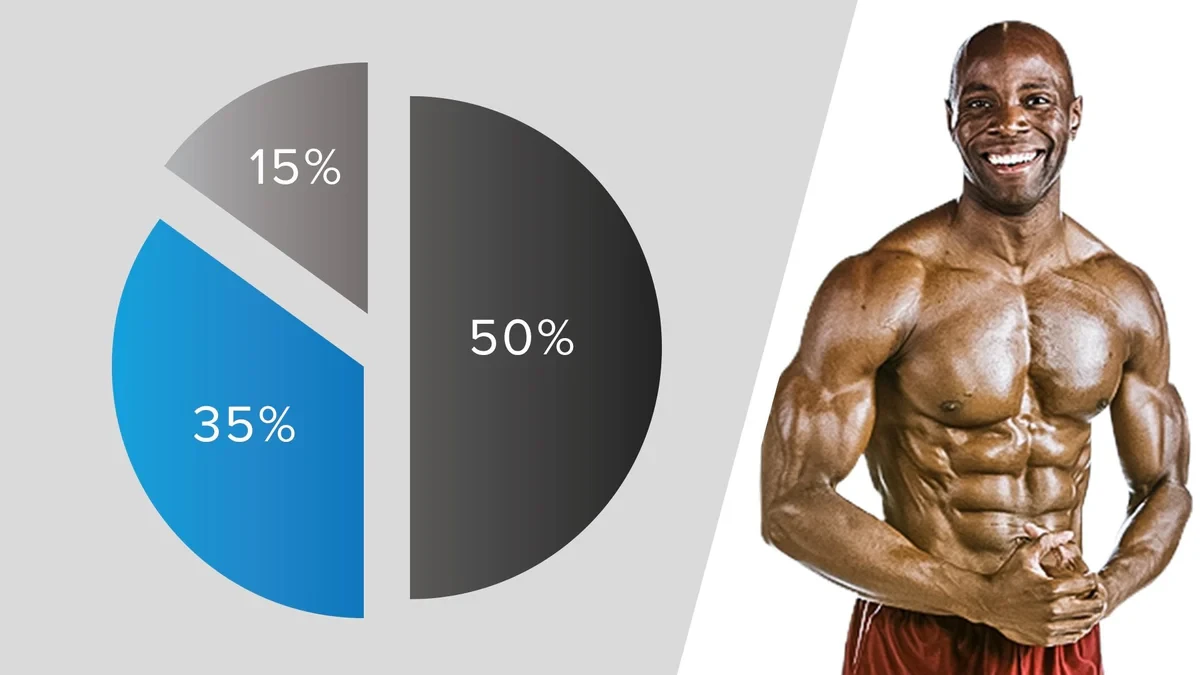
40:40:20: The classic bodybuilding diet (low-fat, high-protein) for muscle growth/maintenance.
30:20:50: A high-fat, low-carb plan for satiety and reduced carb dependency.
20:50:30: A proxy for the typical American diet (high-carb, moderate-fat).
How to Calculate Your Custom Macros
Building a diet around your goals requires simple, systematic math. Follow these steps:
1. Estimate Your Caloric Needs
Calculate your Total Daily Energy Expenditure (TDEE)—the calories you burn daily—by combining:
Basal Metabolic Rate (BMR): Calories burned at rest.
Activity Level: For desk-bound individuals even with intense 5–6 day/week training, classify activity as light to moderate (avoids overestimating intake).
2. Choose a P:C:F Ratio
40:40:20: Versatile for most goals (muscle gain, moderate fat loss).
30:20:50: Ideal if you prefer fat-rich meals or need sustained energy.
20:50:30: Aligns with standard Western eating patterns (adjust for better protein intake).
3. Convert Ratios to Calorie Allocations
Multiply your TDEE by each macronutrient’s percentage. For a 2,500-calorie 40:40:20 plan:
Protein: 40% × 2,500 = 1,000 kcal
Carbohydrates: 40% × 2,500 = 1,000 kcal
Fat: 20% × 2,500 = 500 kcal
4. Calculate Gram Quantities
Divide each calorie allocation by the caloric density per gram (protein/carbs: 4 kcal/g; fat: 9 kcal/g). For 2,500 calories:
Protein: 1,000 kcal ÷ 4 kcal/g = 250 g
Carbohydrates: 1,000 kcal ÷ 4 kcal/g = 250 g
Fat: 500 kcal ÷ 9 kcal/g ≈ 55 g
2,500-Calorie Meal Plans: 5 Meals/Day
Below are daily meal plans for each ratio, with portion sizes and nutrient totals.
Breakfast
| 40:40:20 | 30:20:50 | 20:50:30 |
|---------------|---------------|---------------|
| 2 whole eggs
1 cup egg whites
1 cup oats
1 cup blueberries
2 tbsp pure maple syrup | 4 scrambled whole eggs
1 slice cheddar cheese
2 slices whole-wheat toast
¼ cup sliced avocado | 2 6-inch buttermilk pancakes
2 slices bacon
2 pats butter
3 tbsp pure maple syrup || Nutrition: 595 kcal, 15 g fat, 75 g carbs, 40 g protein | Nutrition: 716 kcal, 44 g fat, 39 g carbs, 41 g protein | Nutrition: 673 kcal, 29.4 g fat, 85 g carbs, 17 g protein |
Snack
| 40:40:20 | 30:20:50 | 20:50:30 |
|---------------|---------------|---------------|
| 2 scoops whey protein isolate
1 medium apple | 1 scoop whey protein
⅓ cup raw almonds | 1 medium banana
1 cup oatmeal || Nutrition: 376 kcal, 4 g fat, 35 g carbs, 50 g protein | Nutrition: 337 kcal, 19 g fat, 11 g carbs, 31 g protein | Nutrition: 286 kcal, 4 g fat, 55 g carbs, 8 g protein |
Lunch
| 40:40:20 | 30:20:50 | 20:50:30 |
|---------------|---------------|---------------|
| 6 oz chicken breast
1 cup steamed broccoli
1 cup long-grain brown rice | 5 oz 95/5 ground beef
1 tbsp olive oil
½ cup onion
1 cup shredded lettuce
2–3 tbsp salsa
¼ cup cheddar
1 tbsp sour cream | 1 "everything" bagel
4 oz sliced turkey
2 slices tomato
1 lettuce leaf
1 slice cheddar
1 tsp mustard
2 slices avocado || Nutrition: 419 kcal, 6.5 g fat, 45 g carbs, 45 g protein | Nutrition: 591 kcal, 36.6 g fat, 14.5 g carbs, 51 g protein | Nutrition: 632 kcal, 20 g fat, 70 g carbs, 43 g protein |
Second Snack
| 40:40:20 | 30:20:50 | 20:50:30 |
|---------------|---------------|---------------|
| 1 bag Quest sour cream & cheddar protein chips
1 scoop whey protein
1 medium orange | 2 tbsp all-natural peanut butter
1 medium apple
1 container 2% Greek yogurt | 1 container Greek yogurt
½ cup raspberries
1 oz pretzels || Nutrition: 476 kcal, 4 g fat, 64 g carbs, 46 g protein | Nutrition: 395 kcal, 17 g fat, 37.5 g carbs, 23 g protein | Nutrition: 248 kcal, 4 g fat, 36 g carbs, 17 g protein |
Dinner
| 40:40:20 | 30:20:50 | 20:50:30 |
|---------------|---------------|---------------|
| 6 oz steak
1 medium sweet potato
1 pat butter
15 asparagus spears
1 cup sliced carrots
2 tbsp olive oil | 6 oz Atlantic salmon
1 cup green beans
2 pats butter | 4 oz sliced chicken breast
1 cup cooked white rice
½ bell pepper
½ onion
½ cup mushrooms
2 tbsp soy sauce
1 egg
1 tbsp olive oil || Nutrition: 676 kcal, 28 g fat, 46 g carbs, 60 g protein | Nutrition: 457 kcal, 22 g fat, 27.5 g carbs, 37 g protein | Nutrition: 609 kcal, 21 g fat, 55 g carbs, 50 g protein |
Daily Nutrient Totals by Ratio
| Metric | 40:40:20 | 30:20:50 | 20:50:30 |
|-------------------|---------------|---------------|---------------|
| Calories | 2,542 | 2,496 | 2,448 |
| Fat | 57.5 g | 139 g | 79 g |
| Carbohydrates | 265 g | 120 g | 301 g |
| Protein | 241 g | 183 g | 134 g |
| Ideal Target | 2,500 kcal, 55 g fat, 250 g carbs, 250 g protein | 2,500 kcal, 135 g fat, 125 g carbs, 185 g protein | 2,500 kcal, 85 g fat, 300 g carbs, 125 g protein |
Plan Analysis: Which Is Right for You?
40:40:20 (Bodybuilding)
Best for: Muscle gain, training recovery, or those who prefer large meals.
Why: High protein (241 g) supports muscle retention; high carbs (265 g) fuel intense workouts. The large food volume (oats, rice, fruits) keeps you satisfied.
30:20:50 (High-Fat, Low-Carb)
Best for: Satiety, low-carb lifestyles, or those who dislike frequent meals.
Why: Fat’s greater satiety value means smaller portions (e.g., salmon, avocado) keep you full longer. The plan prioritizes nutrient-dense fats (almonds, olive oil) for sustained energy.
20:50:30 (Typical American)
Best for: Those who prefer familiar foods (pancakes, bagels, rice).
Why: Aligns with Western eating patterns but can be improved with simple swaps (e.g., protein pancakes instead of regular, leaner meats).
Final Steps to Build Your Diet
Choose a Ratio: Pick one that matches your goals (e.g., 40:40:20 for muscle gain, 30:20:50 for fat loss).
Calculate Your Macros: Use the steps above to find your daily protein/carb/fat targets.
Swap Foods: Replace meals with similar nutrient profiles (e.g., chicken → turkey, oats → quinoa).
Consistency is key—aligning your food choices with your macros will drive progress toward your health and fitness goals. Use these plans as a starting point, and adjust as you learn what works for your body.